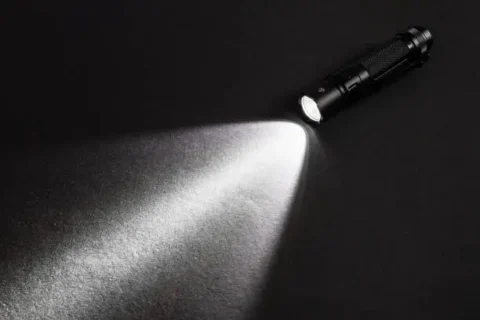
Even the most reliable flashlights can run into problems—dim light, failure to turn on, or water damage can leave you without a critical light source when you need it most. The good news is that most common flashlight issues are easy to fix at home, no professional tools required. Instead of throwing away a faulty flashlight or spending money on repairs, you can diagnose and solve problems yourself with a few simple steps. This guide covers the most frequent flashlight issues, their causes, and step-by-step fixes, helping you extend your flashlight’s lifespan and save money.
From dead batteries to dirty contacts, many flashlight problems stem from basic wear and tear or improper use. By learning how to troubleshoot these issues, you’ll turn a frustrating breakdown into a quick fix—whether you’re dealing with an EDC flashlight, outdoor model, or emergency light.
Main Image: Flashlight Troubleshooting & Repair Guide
(Image Description: Informative, step-by-step design. Center shows a disassembled flashlight (battery, body, switch) with labels. Surrounding images: cleaning battery contacts, fixing a loose switch, and testing a repaired flashlight. Bottom text: “Fix Common Flashlight Issues Yourself”)
Part 1: Common Flashlight Issues & How to Fix Them
Most flashlight problems fall into a few categories—battery issues, connectivity problems, switch malfunctions, or water/dust damage. Below are the most frequent issues and easy-to-follow fixes.
1. Flashlight Won’t Turn On
This is the most common issue, and it’s usually easy to resolve. Start with the simplest fixes before moving to more complex ones.
- Potential Causes:
- Dead or incorrectly inserted battery.
- Dirty or corroded battery contacts.
- Loose or faulty switch.
- Water damage (short circuit).
- Step-by-Step Fix:
- Check the battery: Replace with a fully charged battery (for rechargeable models) or new disposable batteries. Ensure the battery is inserted correctly (match positive/negative terminals to the flashlight’s markings).
- Clean the contacts: Use a cotton swab or dry cloth to wipe the battery terminals and the contacts inside the flashlight’s battery compartment. If there’s corrosion (white/green buildup), dip the swab in vinegar or lemon juice to gently scrub it away—rinse and dry thoroughly afterward.
- Test the switch: Press the switch firmly—if it feels loose or unresponsive, gently wiggle it to see if it connects. For tail cap switches, unscrew and reattach the tail cap to ensure a tight fit.
- Check for water damage: If the flashlight got wet, remove the battery and let the flashlight air dry completely (24–48 hours). Avoid using heat (hair dryer) as it can damage internal components.
2. Flashlight Is Dim or Flickers
Dim or flickering light usually indicates a connectivity issue or a battery problem, not a major breakdown.
- Potential Causes:
- Low battery (even if it’s not fully dead).
- Dirty or loose battery contacts.
- Damaged or worn-out bulb/LED.
- Mode setting (accidentally on low beam).
- Step-by-Step Fix:
- Charge or replace the battery: A low battery is the most common cause—recharge rechargeable batteries or swap in new disposables.
- Clean and secure contacts: Follow the same contact-cleaning steps above. Ensure the battery is tightly inserted (loose connections cause flickering).
- Check the mode: Make sure the flashlight is on high or medium beam (not low beam, which is intentionally dim).
- Inspect the LED: If the light is still dim after fixing the battery and contacts, the LED bulb may be worn out. Most modern flashlights have replaceable LEDs—check your flashlight’s manual for replacement instructions.
3. Water Leaks Into the Flashlight
Even waterproof flashlights can leak if seals wear out or are not properly maintained. Water damage can cause short circuits, so act quickly.
- Potential Causes:
- Worn or damaged rubber gaskets (seals) around the battery compartment or charging port.
- Charging port plug not fully closed.
- Exceeding the flashlight’s water resistance rating (e.g., using an IPX6 flashlight for diving).
- Step-by-Step Fix:
- Stop using immediately: Turn off the flashlight and remove the battery to prevent short circuits.
- Dry the interior: Shake out excess water, then place the flashlight (without the battery) in a container of dry rice or silica gel packets for 24–48 hours—this absorbs moisture.
- Inspect the seals: Check the rubber gaskets for cracks, tears, or dirt. Clean the gaskets with a dry cloth; if they’re damaged, replace them (most brands sell replacement gaskets).
- Test for leaks: After drying, reassemble the flashlight, insert a battery, and submerge it in shallow water (per its IPX rating) to check for leaks. If it still leaks, the body may be damaged.
4. Switch Is Sticky or Unresponsive
Sticky switches are often caused by dirt, dust, or moisture buildup, especially in outdoor flashlights.
- Potential Causes:
- Dirt, dust, or debris stuck in the switch mechanism.
- Moisture buildup (leading to stickiness or rust).
- Worn switch components (from frequent use).
- Step-by-Step Fix:
- Clean the switch: Use a cotton swab dipped in rubbing alcohol to gently clean around the switch (both the exterior and interior, if accessible). This dissolves dirt and dries quickly.
- Dry thoroughly: Let the rubbing alcohol dry completely (10–15 minutes) before inserting the battery.
- Lubricate (if needed): For persistent stickiness, apply a small amount of silicone lubricant (avoid oil-based lubricants, which attract dirt) to the switch mechanism. Wipe away excess lubricant.
- Replace the switch: If the switch is still unresponsive, it may be worn out. Check your flashlight’s manual for replacement parts or contact the manufacturer.
Image: Common Flashlight Fixes Demo
(Image Description: 4-grid layout showing fixes for common issues: Cleaning battery contacts with a cotton swab, drying a flashlight with silica gel, lubricating a switch, and replacing a rubber gasket. Label each step with the corresponding issue.)
Part 2: Essential Tools for Flashlight Repair
You don’t need fancy tools to fix most flashlight issues—these basic items are enough for nearly all home repairs:
- Cotton swabs (for cleaning contacts and switches).
- Rubbing alcohol (for dissolving dirt and drying quickly).
- Vinegar or lemon juice (for removing corrosion).
- Small screwdriver set (for disassembling flashlights with screws).
- Silica gel packets or dry rice (for absorbing moisture).
- Replacement rubber gaskets (matching your flashlight model).
- Silicone lubricant (for sticky switches).
Part 3: Safety Tips for Flashlight Repair
Always prioritize safety when repairing your flashlight—follow these tips to avoid injury or further damage:
- Remove the battery before cleaning or disassembling the flashlight (prevents short circuits).
- Avoid using sharp tools (e.g., knives) to pry open the flashlight—this can damage the body or internal components.
- Use rubbing alcohol in a well-ventilated area (it’s flammable)—keep it away from heat sources or open flames.
- Don’t mix cleaning products (e.g., vinegar and bleach)—this creates harmful fumes.
- If a battery is swollen or leaking, dispose of it properly (don’t attempt to repair it)—swollen batteries are a fire hazard.
- If you’re unsure about a repair, contact the manufacturer or a professional—don’t force a fix that could break the flashlight permanently.
When to Replace Your Flashlight (Instead of Repairing It)
Not all flashlights are worth repairing—here are signs it’s time to replace yours:
- The body is cracked (can’t maintain water resistance).
- The LED bulb is burned out and not replaceable.
- Internal components (e.g., circuit board) are corroded beyond repair.
- Repair costs (parts + time) are more than buying a new flashlight.
- The flashlight has repeated issues (indicates poor build quality).
Image: Flashlight Replacement vs. Repair Guide
(Image Description: Split-screen image. Left: Repairable flashlight (clean contacts, loose switch) labeled “Fix Me”. Right: Unrepairable flashlight (cracked body, corroded circuit board) labeled “Replace Me”. List key signs for each category.)
Final Thoughts
Repairing your flashlight is a great way to save money, reduce waste, and keep your favorite light source working for years. Most common issues—dead batteries, dirty contacts, sticky switches—are easy to fix with basic tools and a little patience. By learning how to troubleshoot these problems, you’ll become more self-reliant, whether you’re at home, on a hike, or in an emergency.
Remember: Regular maintenance (cleaning contacts, checking seals, proper battery care) can prevent most flashlight issues in the first place. But when problems do arise, this guide will help you fix them quickly and safely—no professional experience required.